Ripples of Wellbeing: What I Learned in Ukraine
Ukraine Reflection
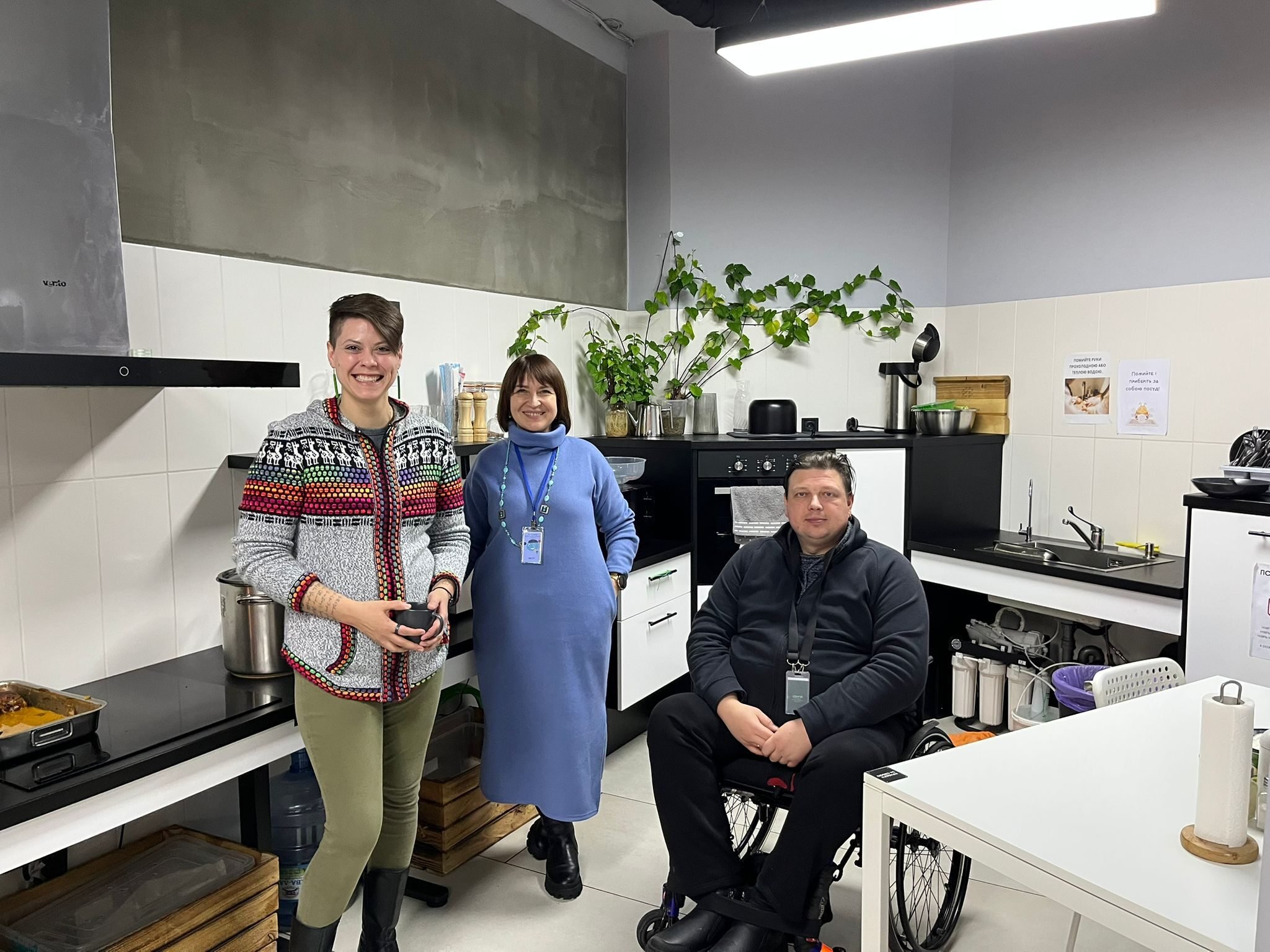
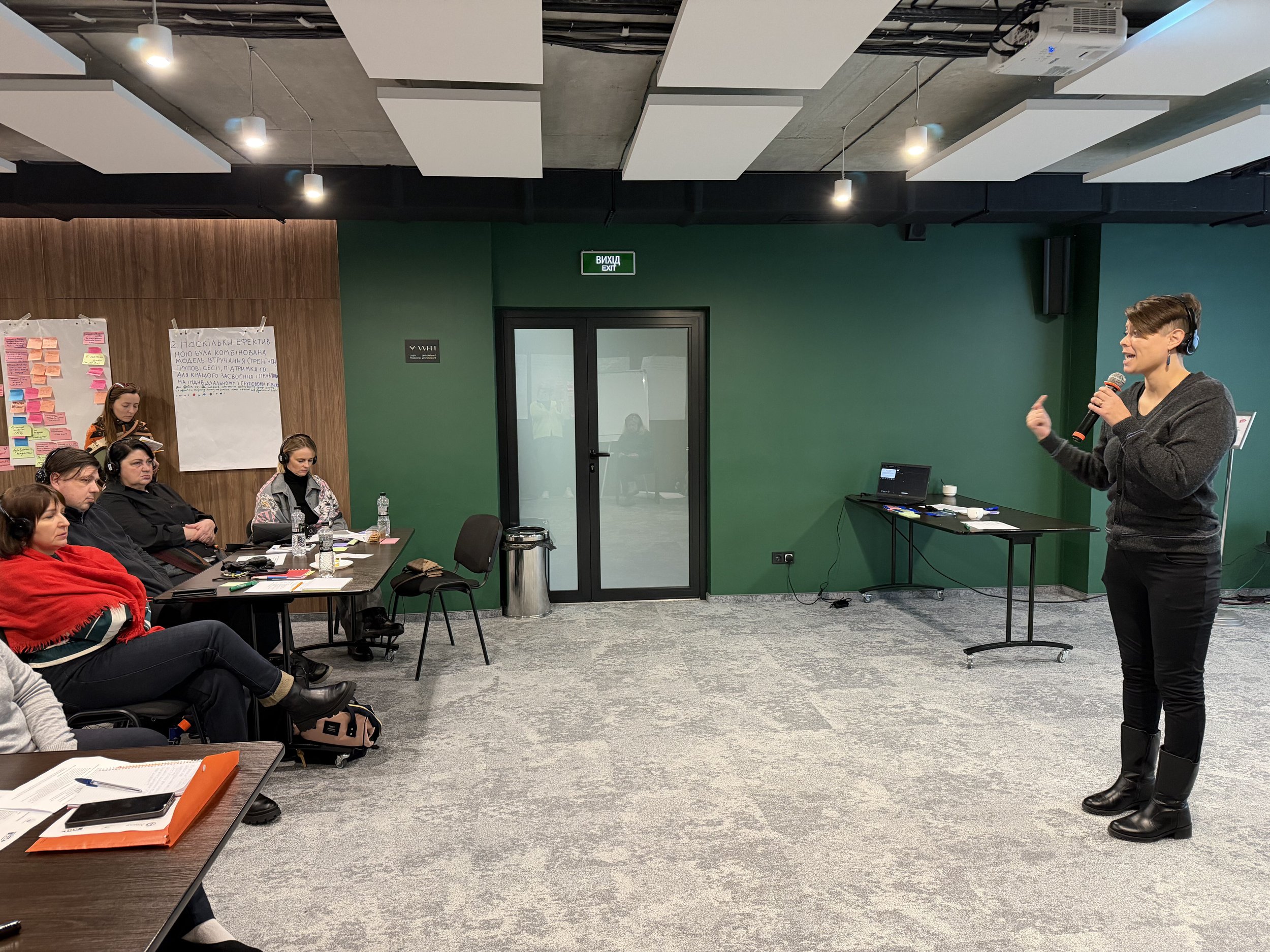
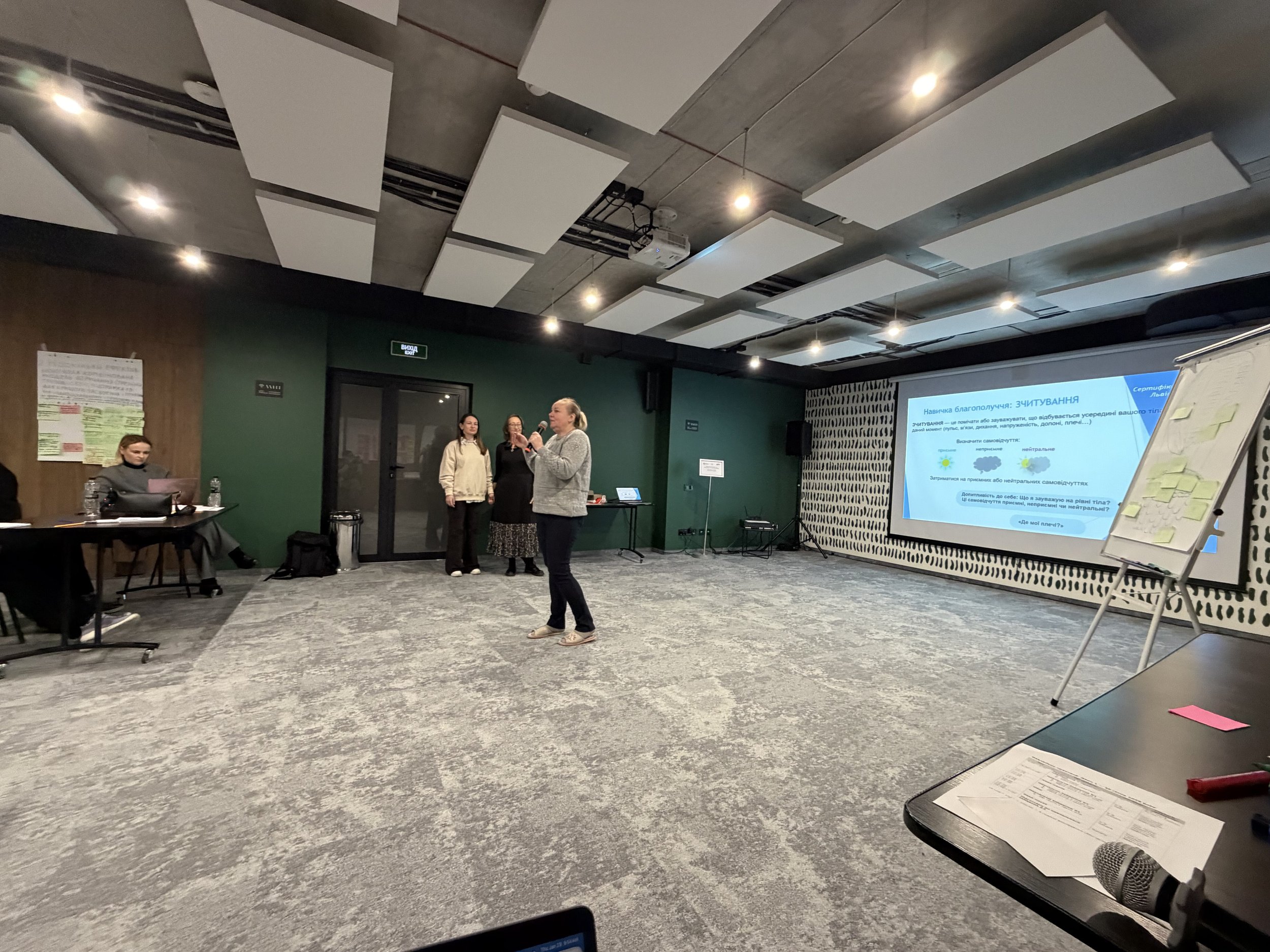
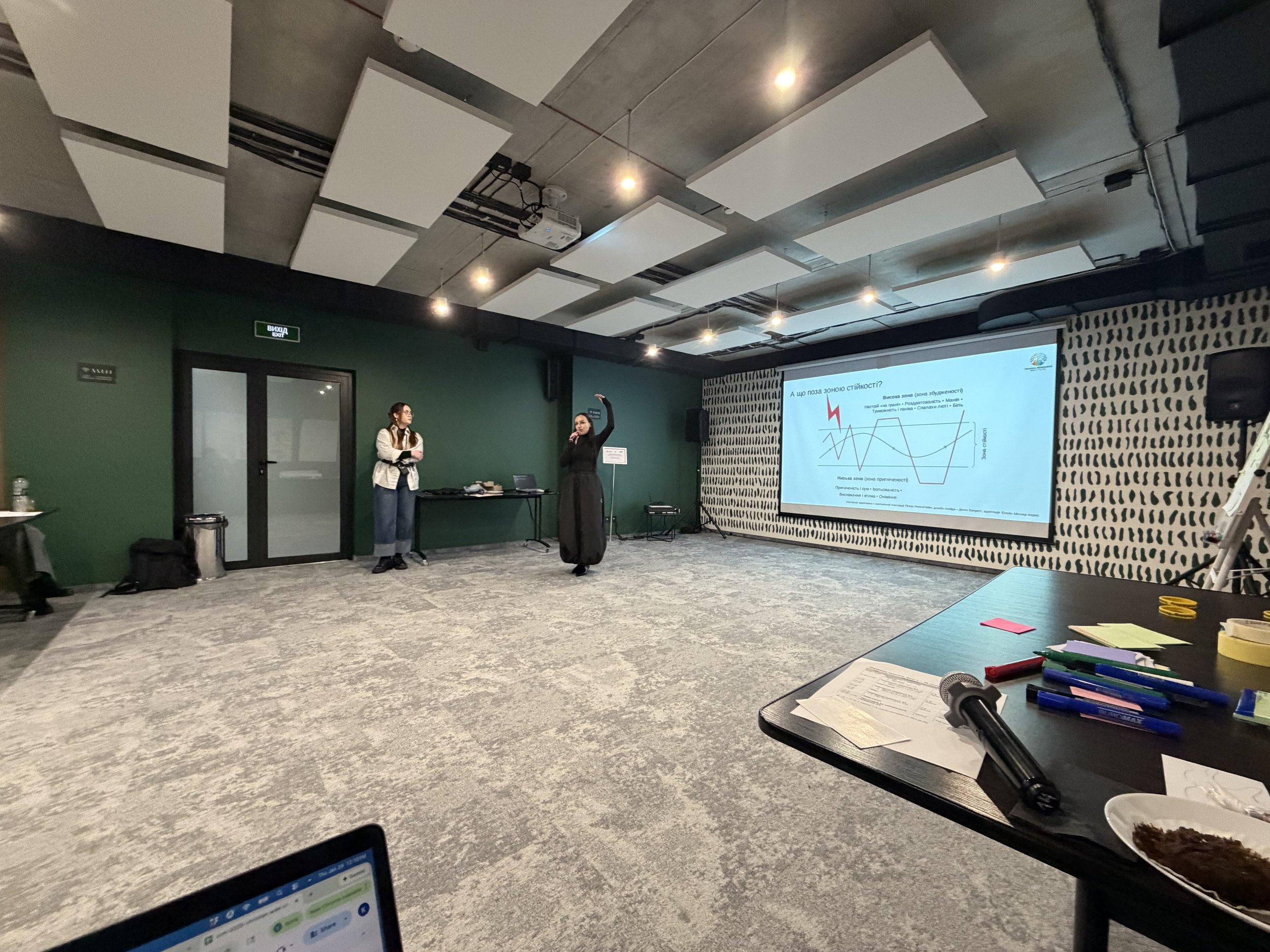
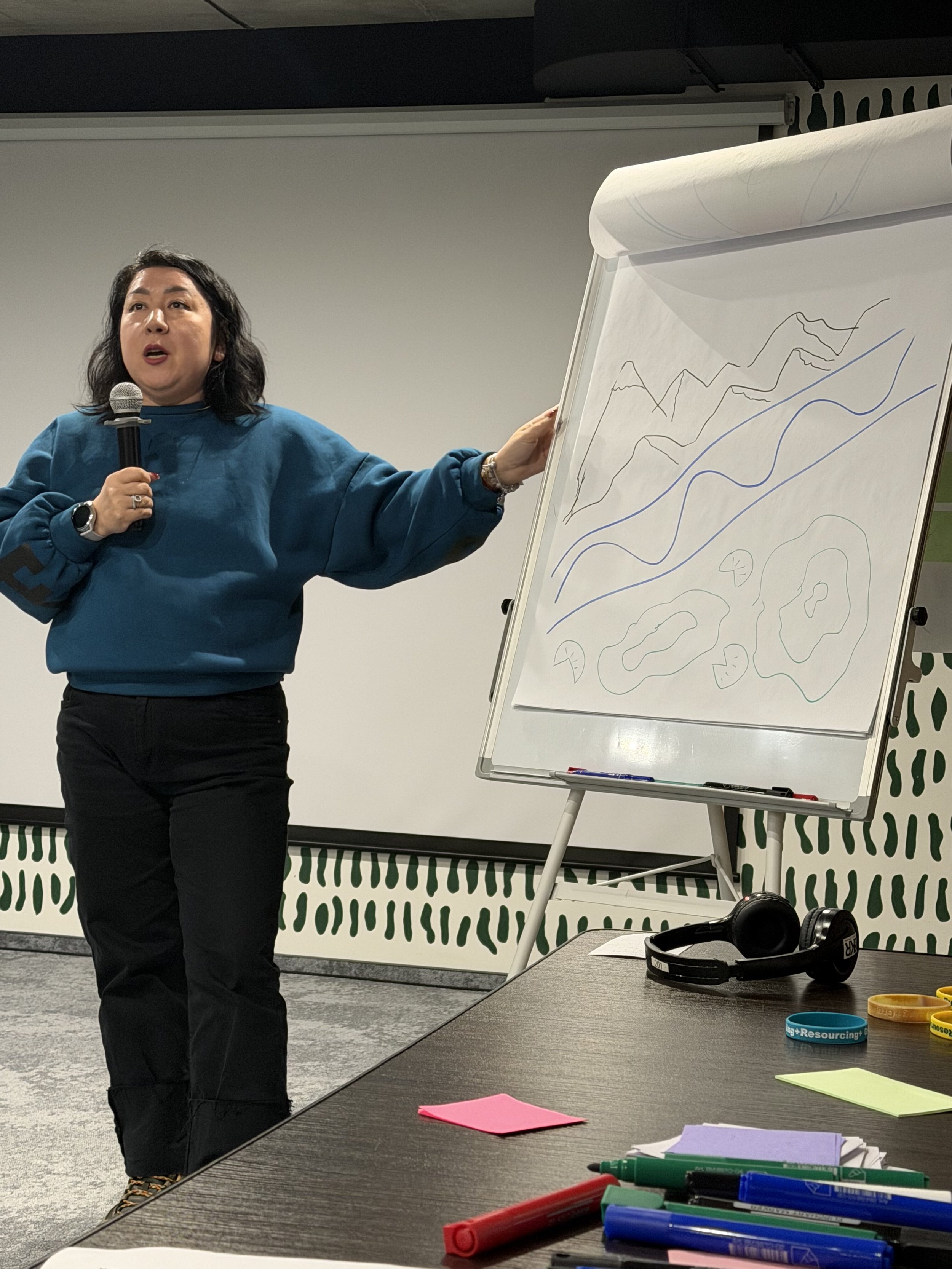
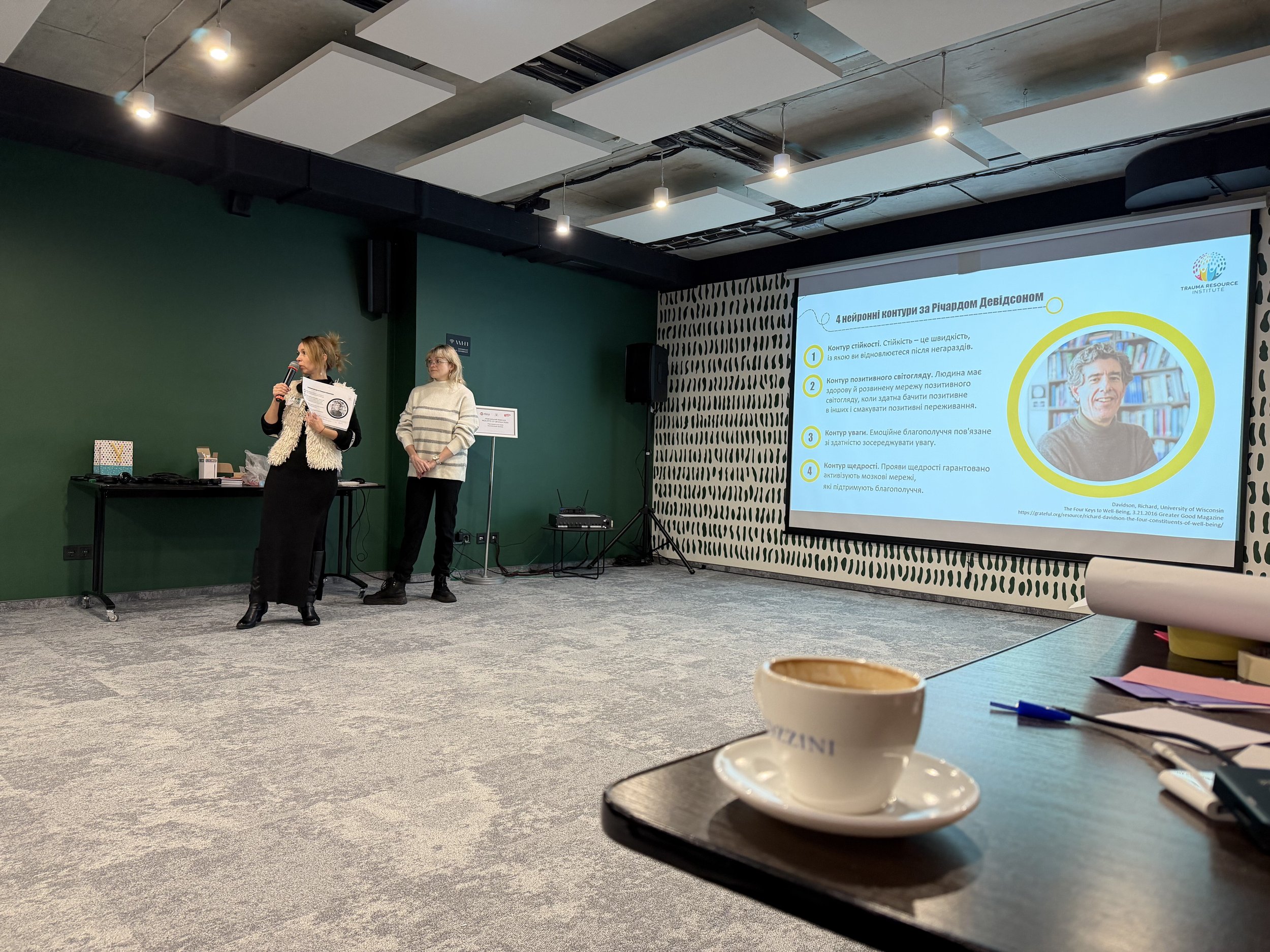
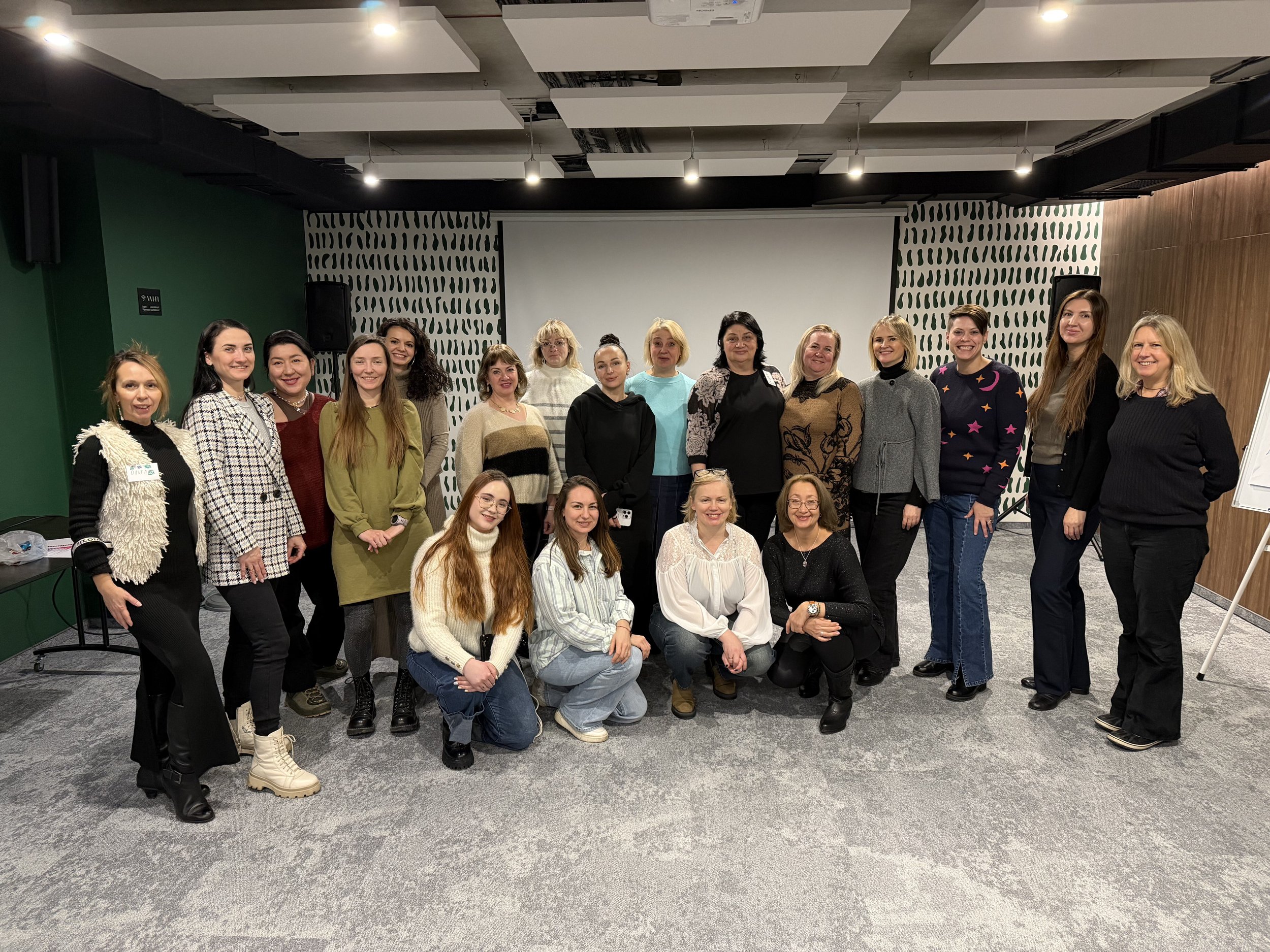
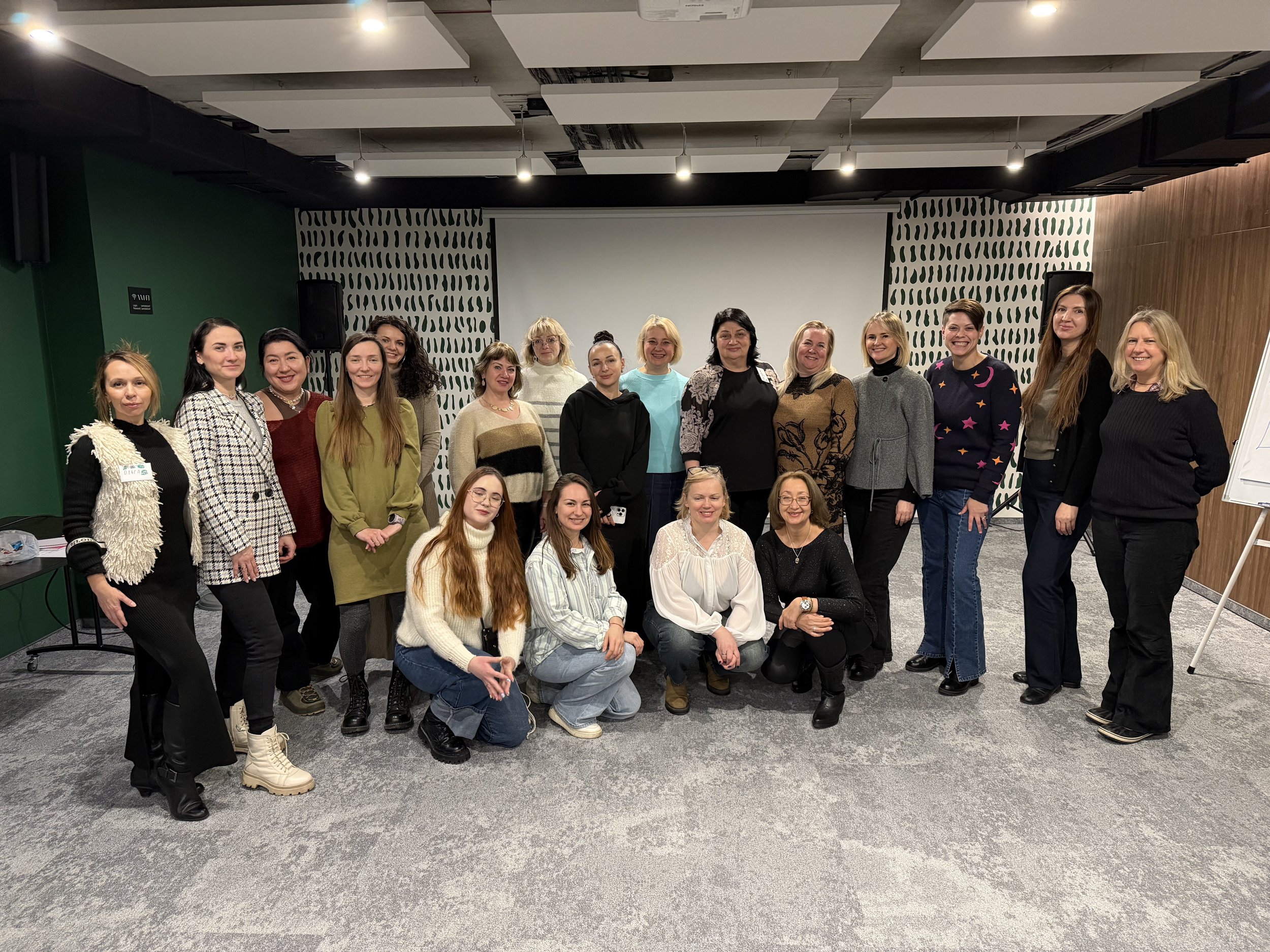
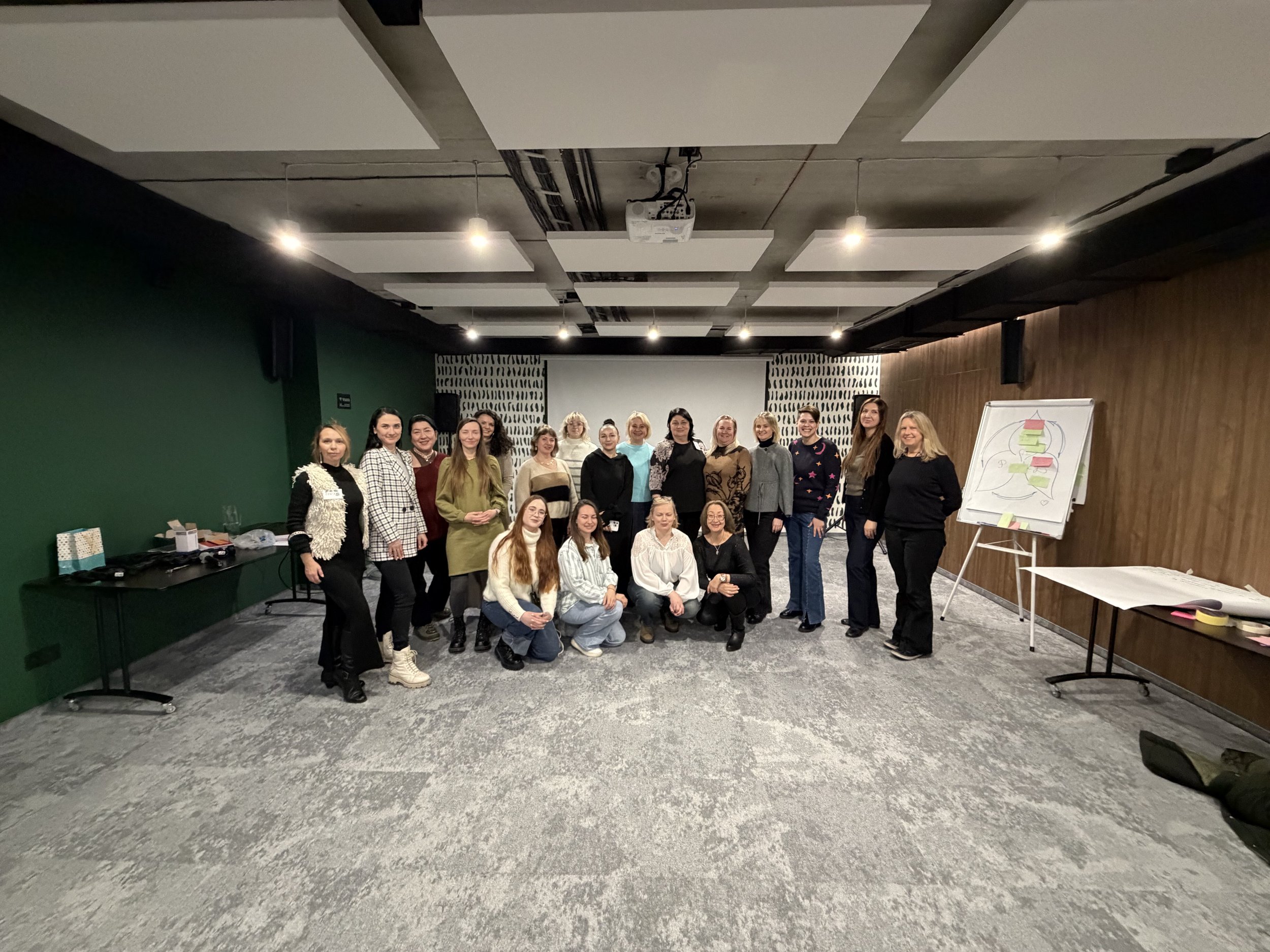
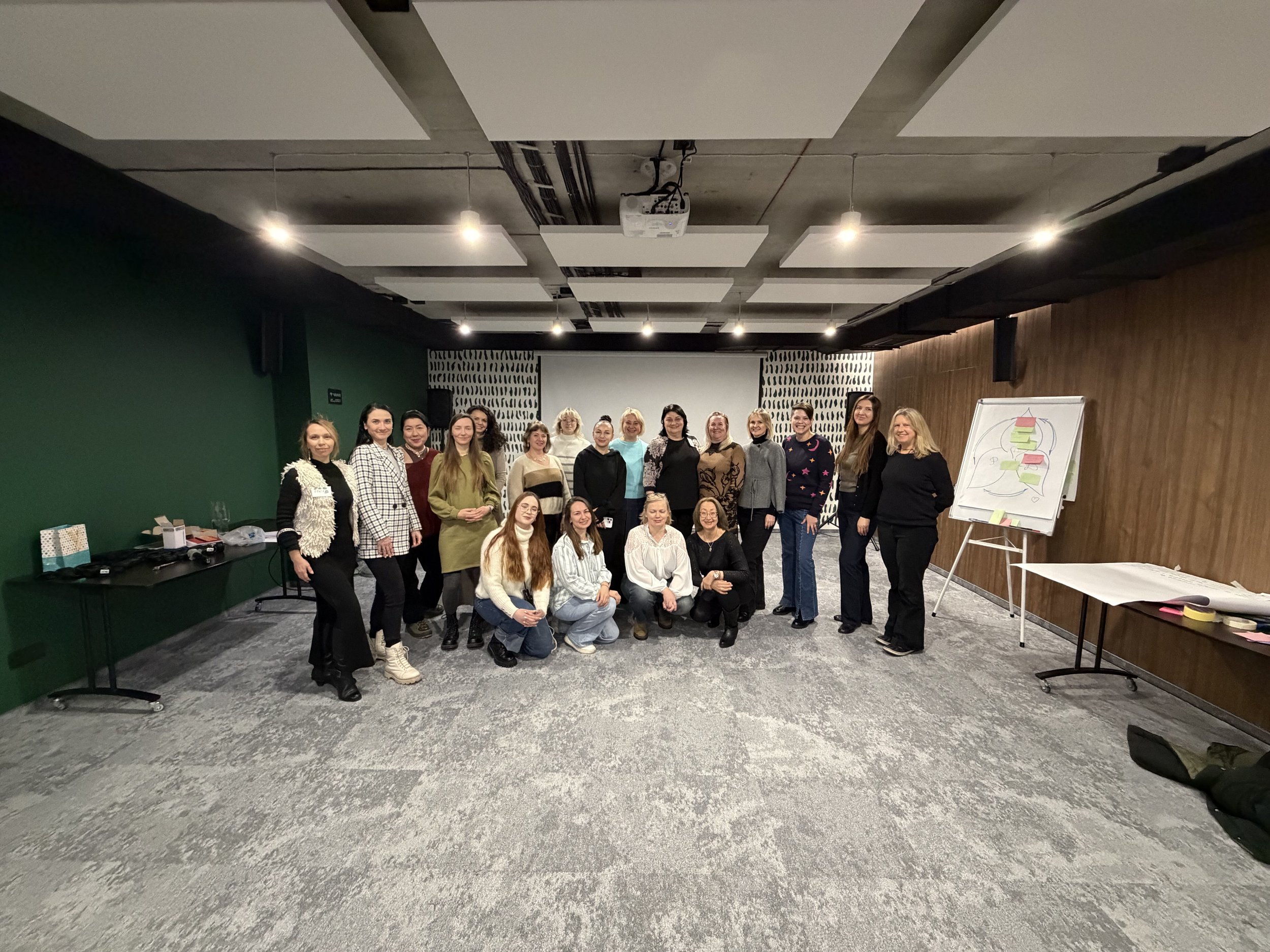
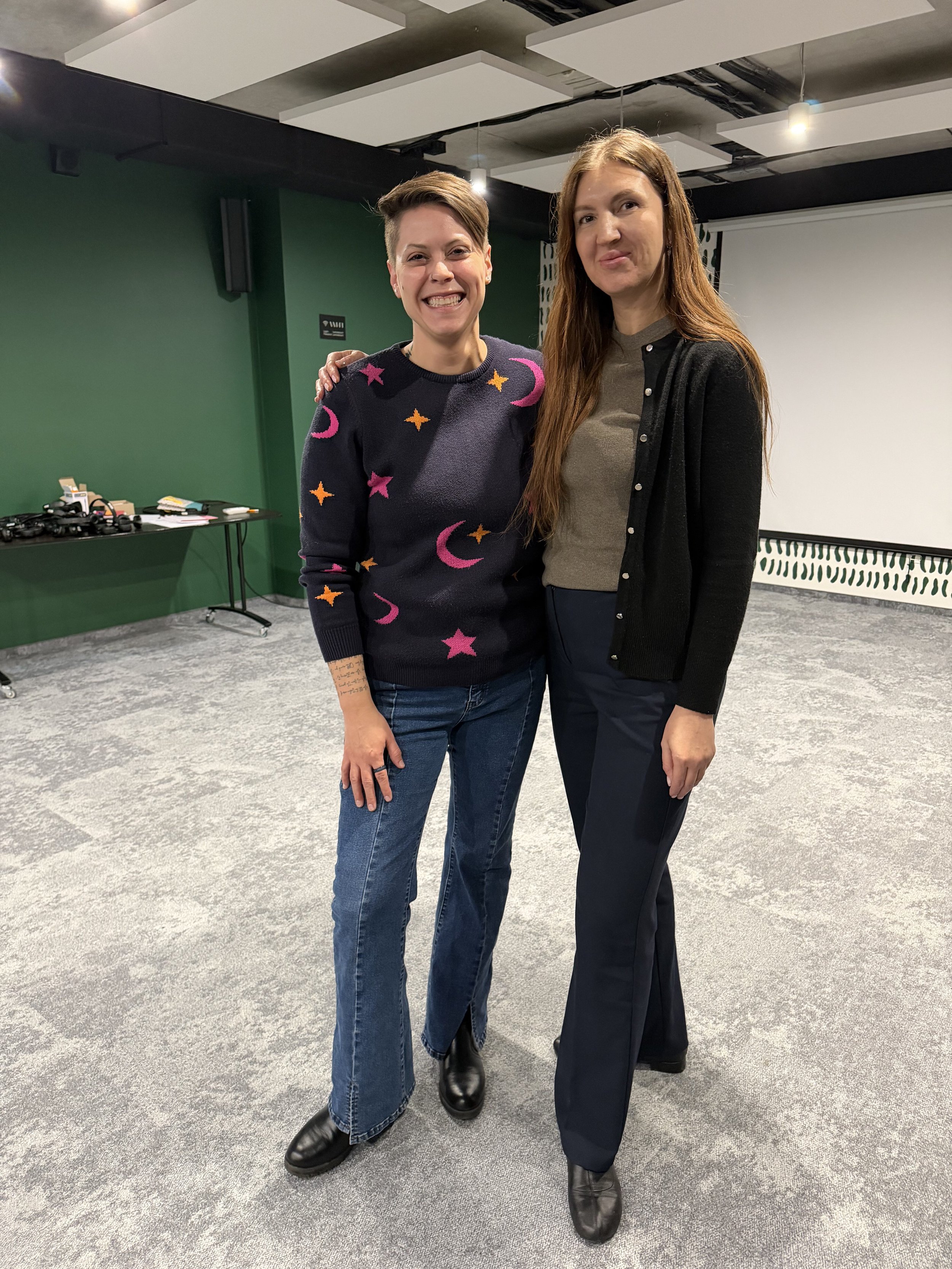
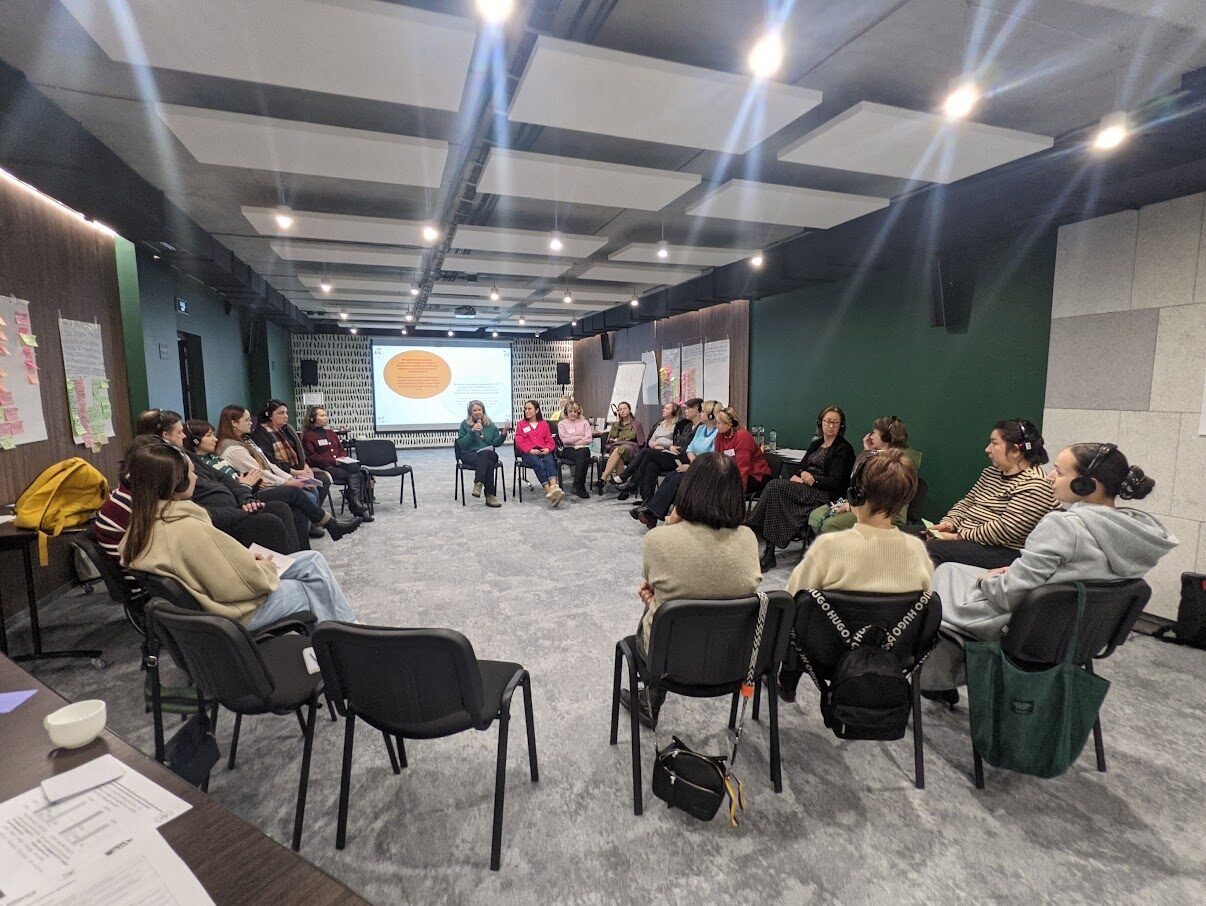
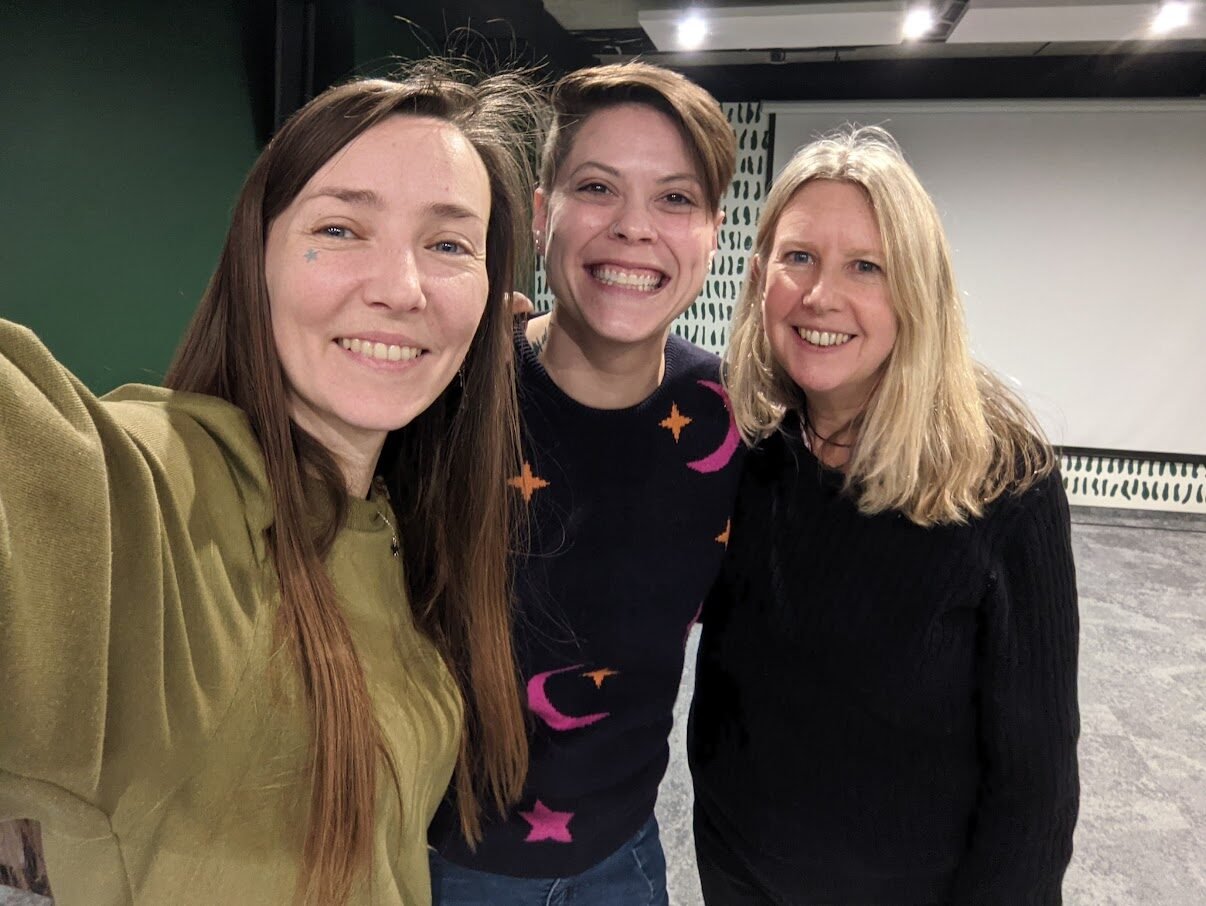
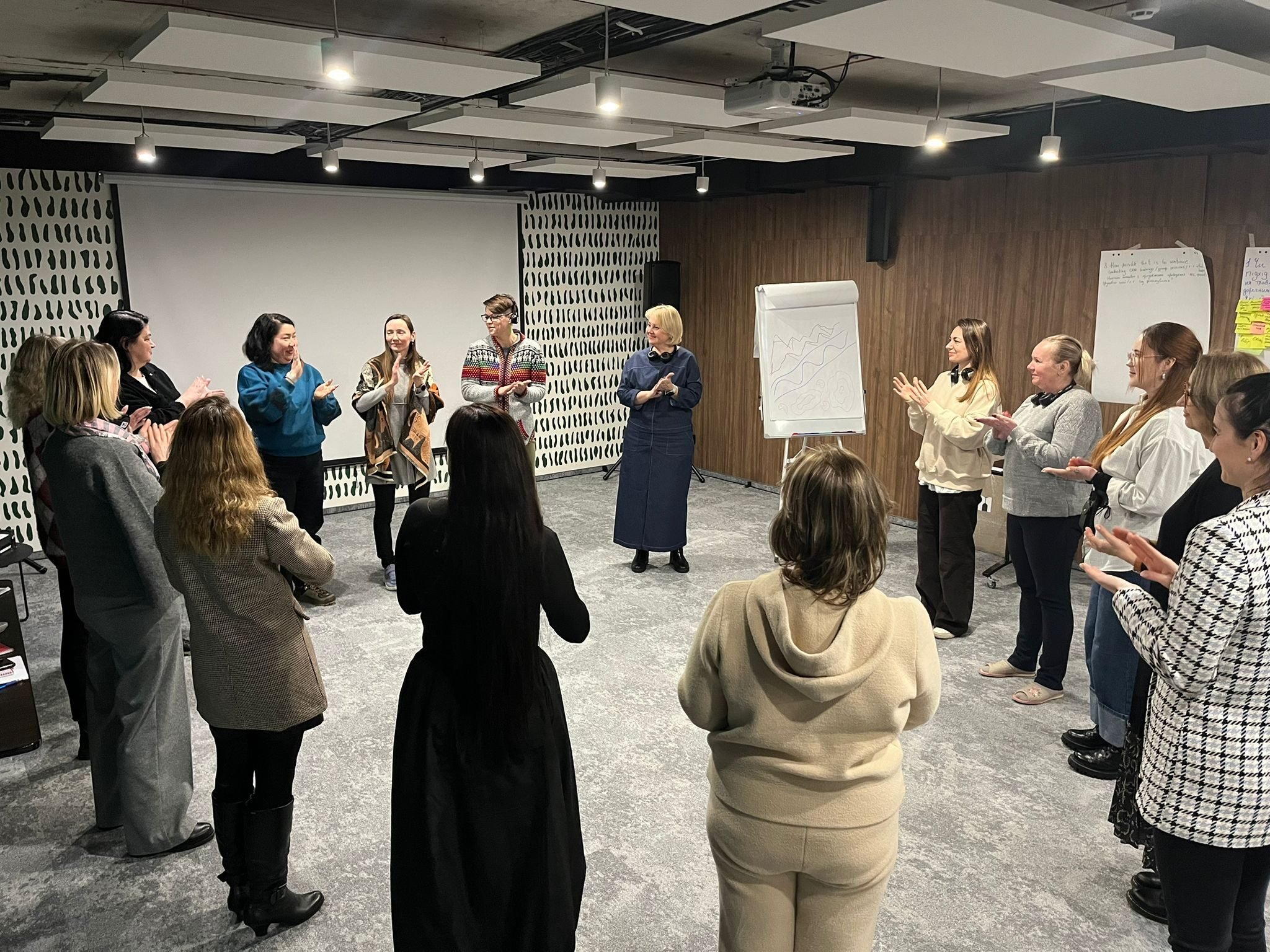
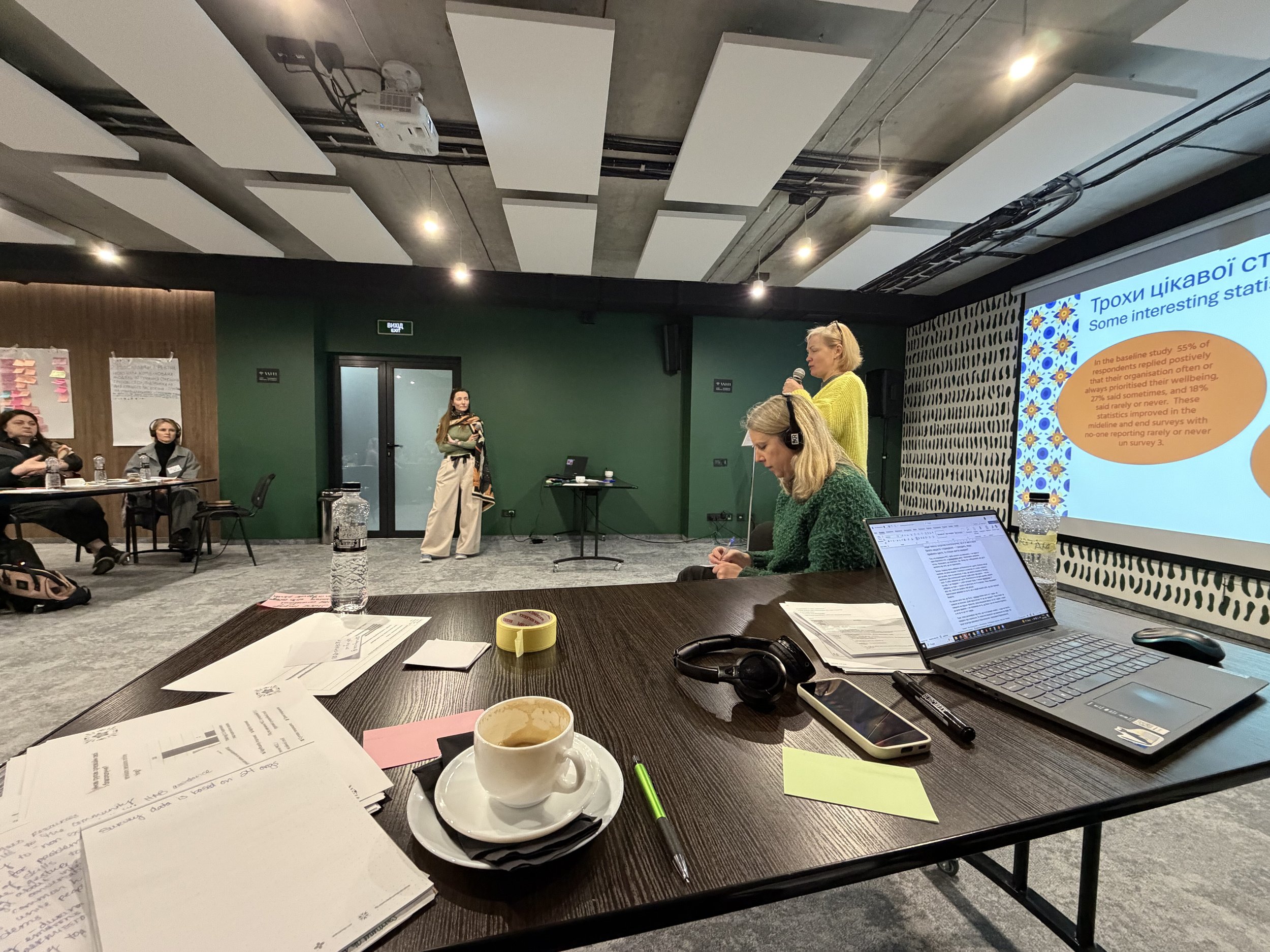
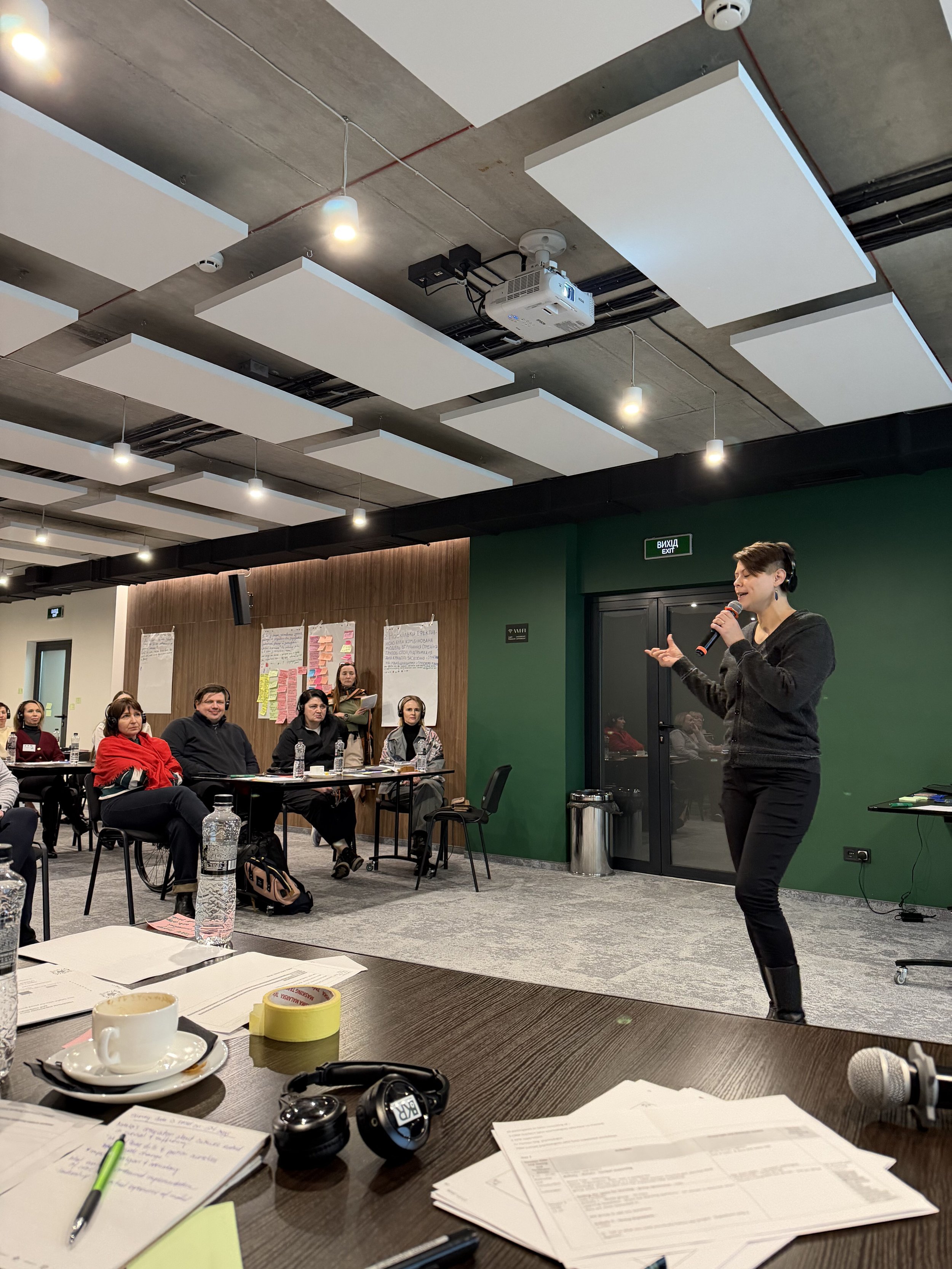
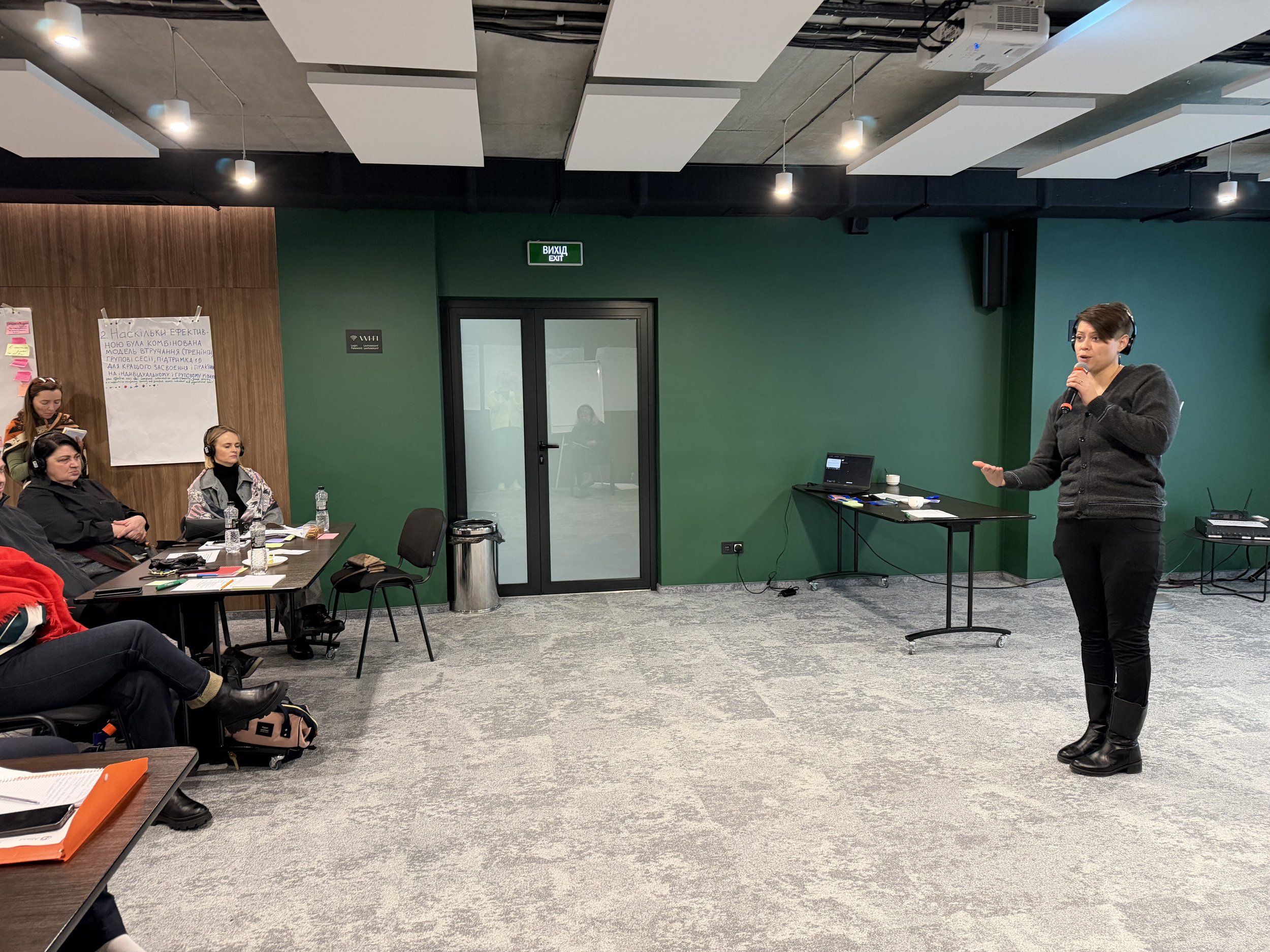
At the end of January 2026, I had the life changing opportunity to travel to Lviv, Ukraine on behalf of the Trauma Resource Institute (TRI). Funded by our international partner, Christian Aid, I attended to assist Judy Pang, Program Manager of Community Resilience, Ukraine, in a learning lab of their project to train Ukrainian psychologists in the Trauma Resiliency Model ® (TRM) and lead a Community Resiliency Model ® (CRM) Teacher Training for 16 members of this group. As the Director of Education and Training, I wanted to personally experience how the models are making an impact around the world, especially in some of the most challenging spaces.
As is the case with most resiliency-based work, this trip was a constant exercise in the question, “What else is true?”. My travel was rigorous and long yet safe. The historic Ukrainian winter was biting while my hotel room and parka were warm and comfy. The long days were demanding and the connection I experienced daily was vast and constant. All this and more were fortified in my soul daily by the Ukrainian spirit; WE are still here despite it all. The common humanity I found connected to my own Mexican heritage and the cultural expression, “They tried to bury us but they didn’t know we were seeds.”
At times it is easy to forget there is an active war occurring. Life continues despite conflict. Dinner still needs to be eaten. Laundry still needs to be done. Children must be cared for and educated. And still regularly woven in sharp contrast was the pain and reality of war. Frequent reminders, like the shared personal stories of loss and fear or case studies of disabled veterans returning from the front lines or the Ukrainian army recruitment ads in transit stations or the nightly group planning to meet in case of an air raid, highlighted that safety was not a guarantee. I’ve never been more grateful that I have utilized the wellness skills of the models for over a decade for my own resiliency practice. As these sharp cues activated my body, I reached for a sip of water, noticed the temperature of a surface, or touched the jewelry I wore to remind me of my resources.
Our senior faculty member, Susan Reedy, often shares that these skills are not about ignoring the desert you are traveling through but to offer you a cool drink along the journey. I heard directly from participants of how these same skills were changing the lives of their clients, their organizations, and themselves. The moments of “too much too fast” or “too much/little for too long” were met with gentle support through practical skills that reset the body. One participant shared an experience of being stuck in a freeze response during an air raid and calling her colleague/friend over the phone for support. Using the Help Now! skills, her TRM trained colleague guided her through the skills, encouraging her to get out of bed, put clothing on, and move towards the nearest bomb shelter. I watched her share this story, emotions spilling over, that same colleague gently supported her with presence and touch. A bond was strengthened in a potentially life-threatening moment by tending and befriending through the application of simple nervous system regulation skills.
During a CRM Teacher’s teach back of the material, she presented recent research on the brains of Ukrainian children which have changed as a result of constant exposure to war and conflict. As she shared this, I looked around the room to see forlorn and troubled faces of other participants. She then began to share CRM curriculum content about neuroplasticity and Positive Childhood Experiences. I tracked the room as participants began to take deep breaths, practice the skills themselves, and to recenter back to “what else is true?” as the simplified teaching about neurobiology created space for courage and hope.
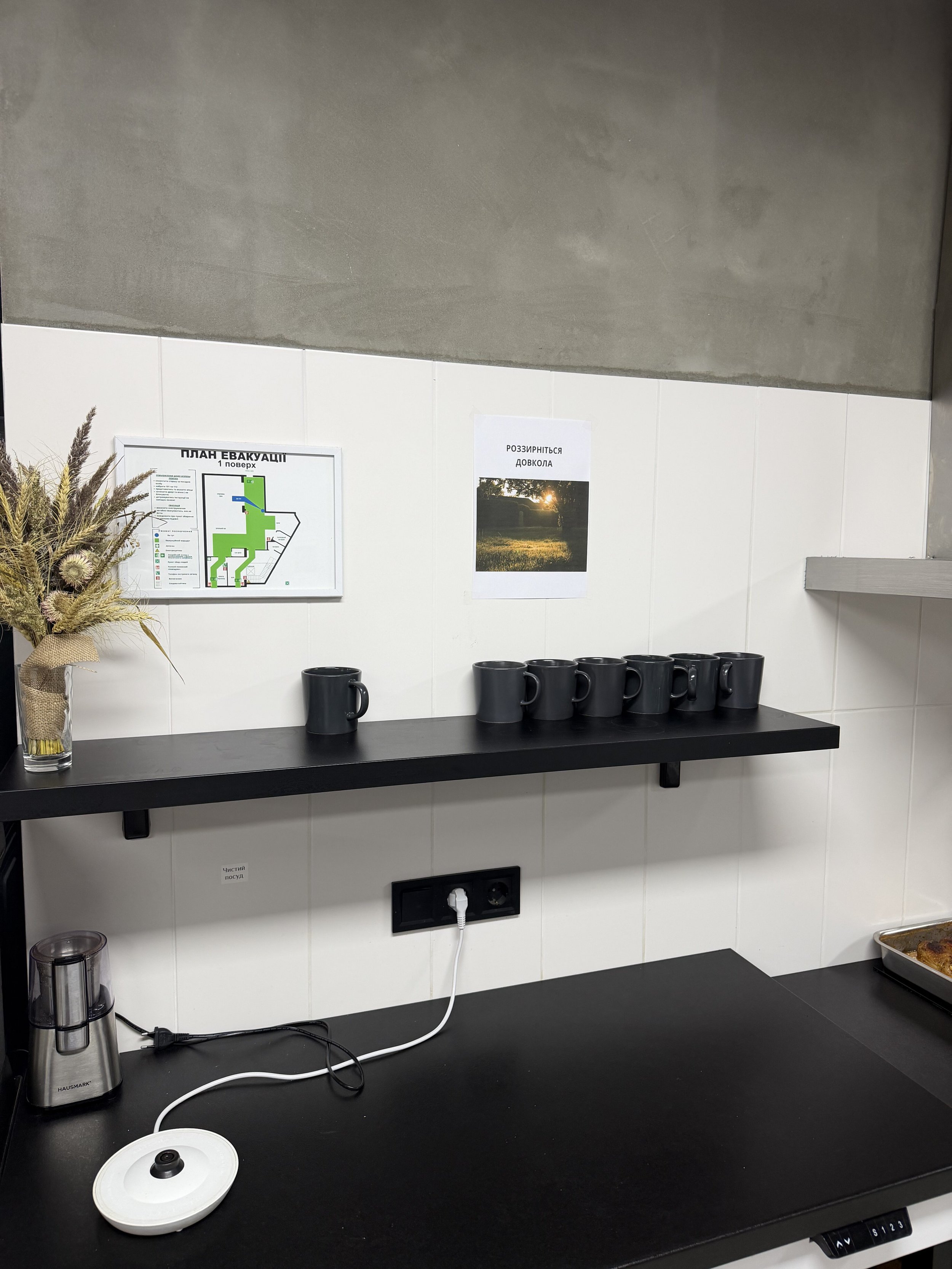
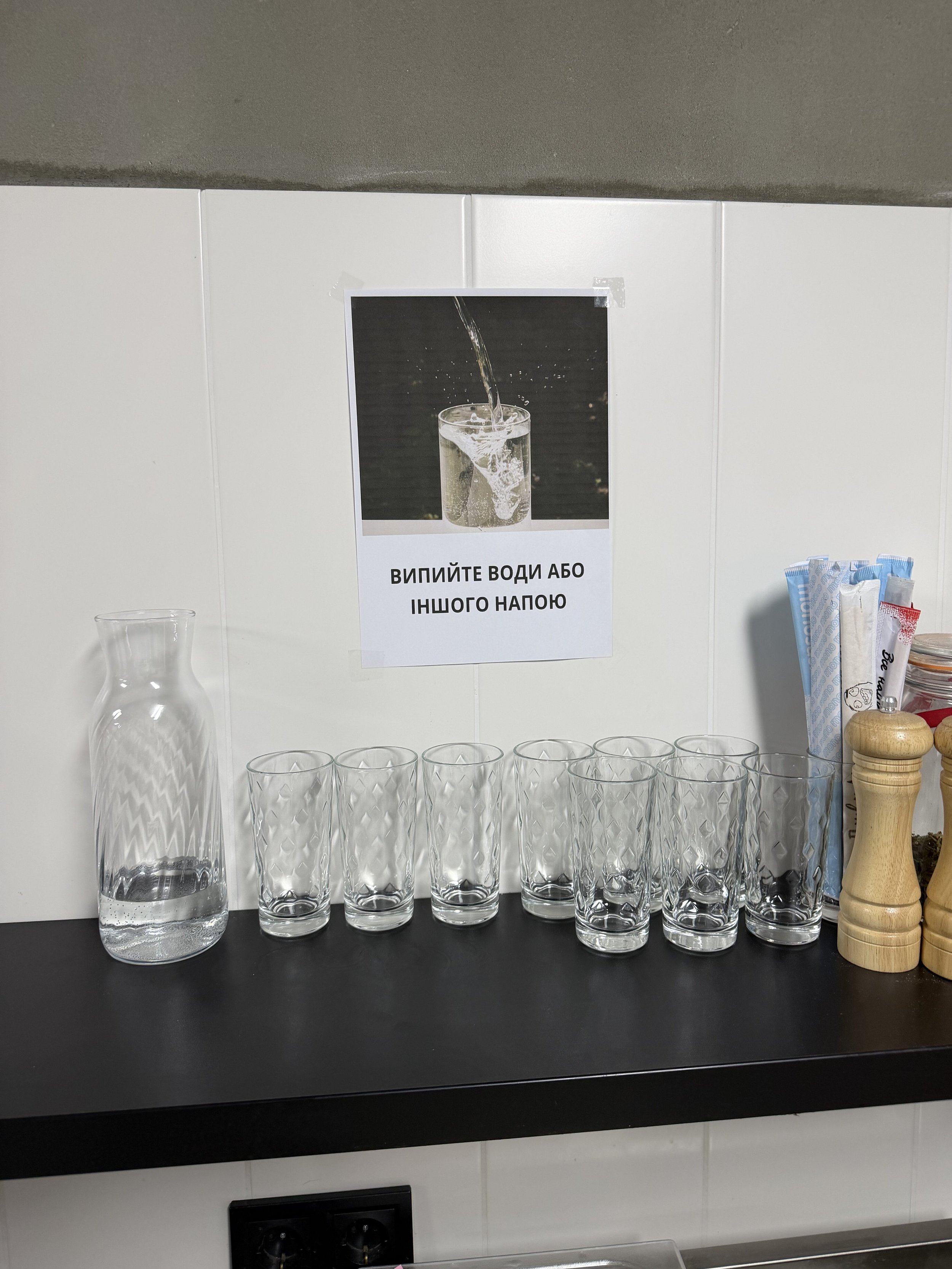
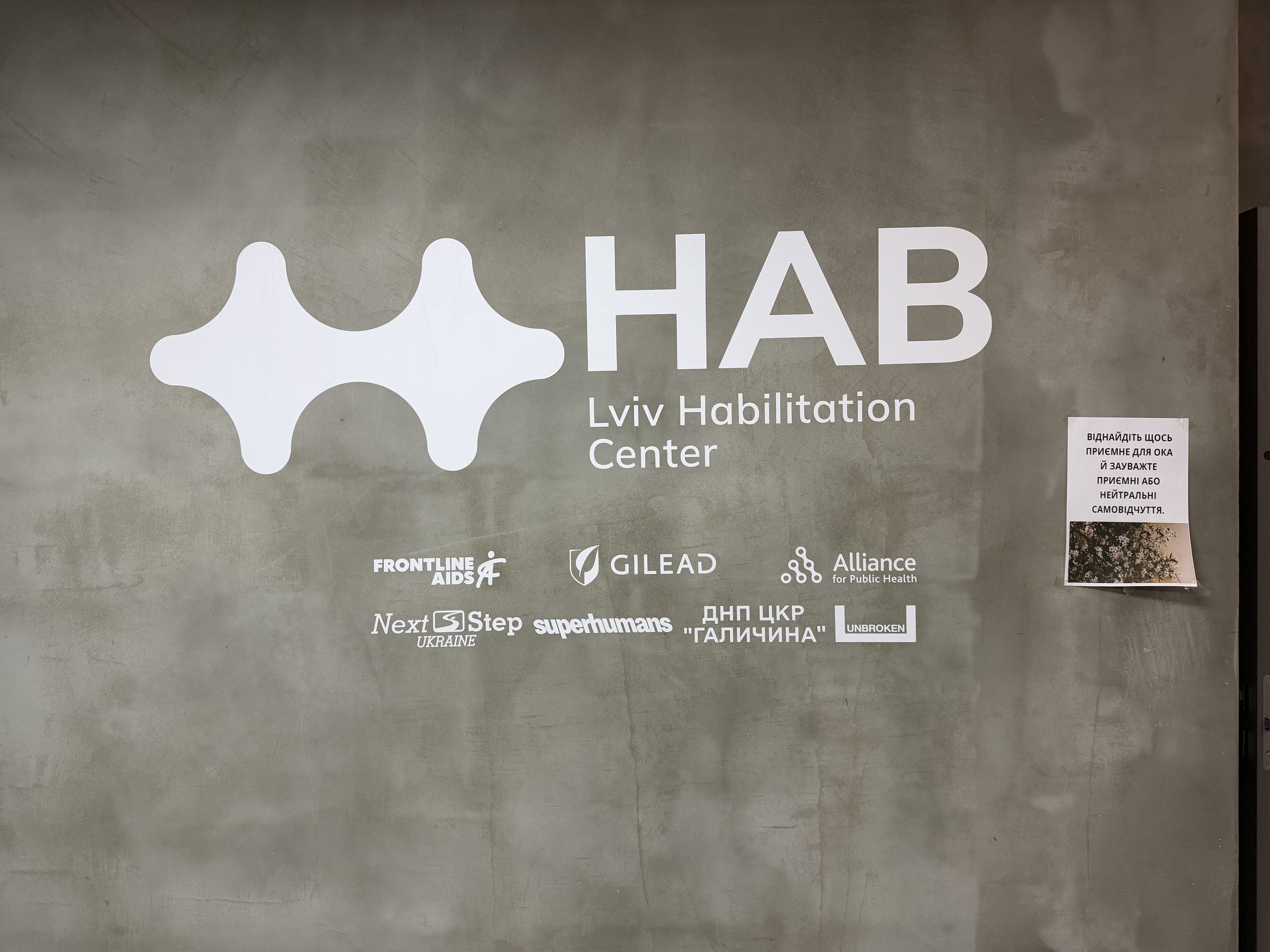
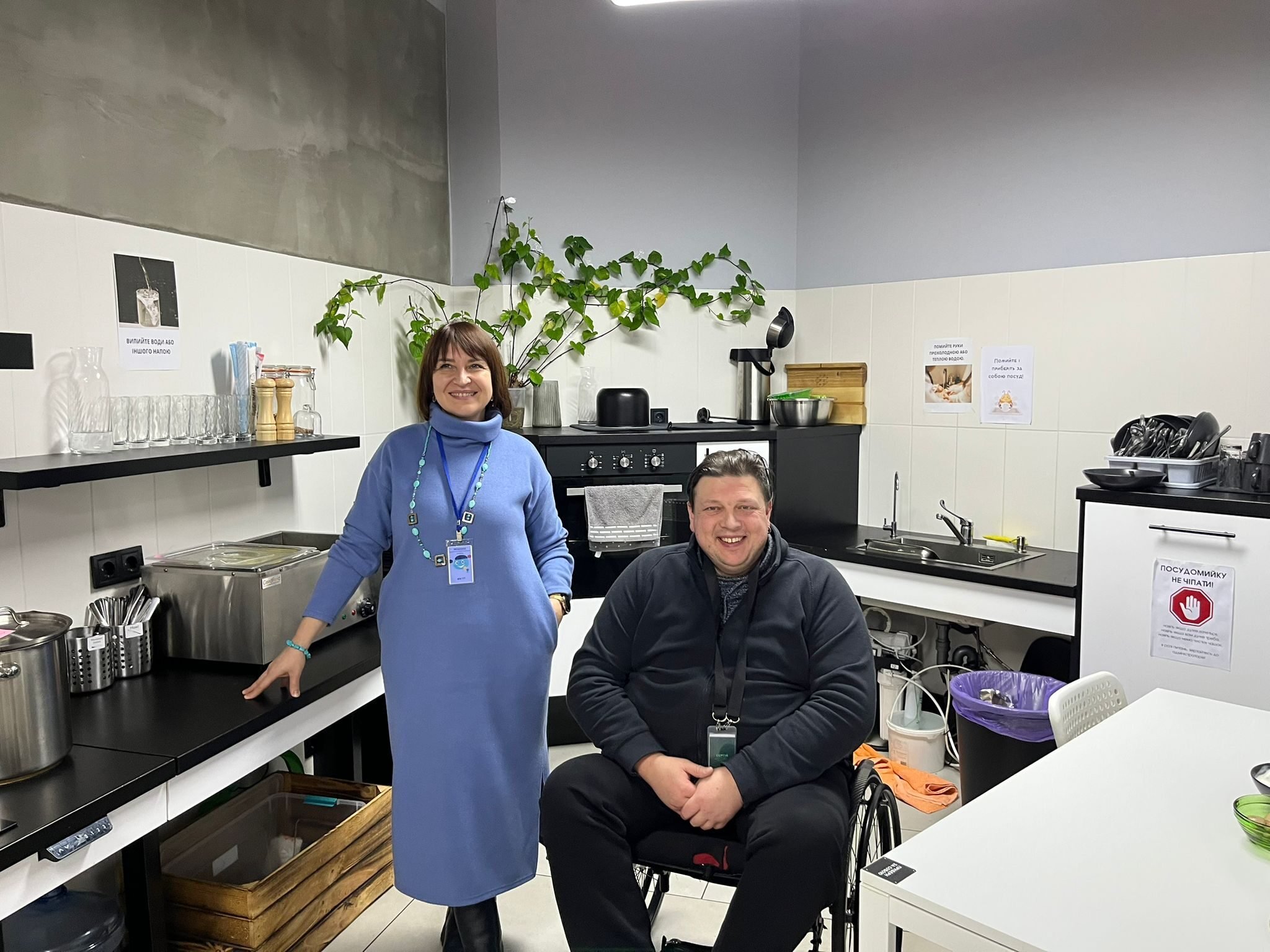
While visiting the HAB center, a first of its kind residential, city rehabilitation facility in Lviv for returning disabled war veterans, I was reminded again of the scalability and impact of these skills. Touring the innovative facility, I noticed multiple laminated signs in Ukrainian in the bathroom, on a wall along a staircase, above the kitchen sink and near some water glasses. The more I looked, the more I found them and began to wonder what the signs were. When I asked, Serhii Titarenko, head of the habilitation program at the HAB center, he shared that the signs were Help Now! stations they had created after TRM training. For context, I created the Help Now! stations while developing the Help Now! Bingo activity in 2018 during my CRM Teacher training. Upon hearing this from Serghii, I was overwhelmed by the reality that these simple skills manifested through a burst of my creativity was helping disabled veterans on the other side of the globe. Living proof that when we equip natural community leaders with skills and language to meet their unique community needs, we are building resiliency that ripples around the world.
These examples and dozens more reaffirmed that adversity is not destiny. When we can build awareness and resiliency, we are able to offer that drink of cool water to ourselves and others along our journey. The Trauma Resiliency and Community Resiliency Models ® offer that opportunity for respite, care, and reconnection with our common humanity. They offer clinicians, clients, community members, and everyday people a path back to themselves so that they can respond from a place of values instead of reacting from a space of trauma. I am so grateful and forever changed by my trip to Ukraine, the beautiful people I have met along the way, and the opportunity to see the “ripples of wellbeing” supporting communities across the globe.